Market Lineup for November 14th & 28th at the Conway Farmers’ Market
- Baklava
- Cinnamon Rolls
- Creamed Honey
- Homemade Beeswax Balms
- Homemade Honey Soap
- Micro-Plants
- Bonsai Basil
- Snacking Cucumbers
- Sweet Peppers
- Tomatoes
Honoring the Land and Our Native Pollinators
November carries a dual invitation across the South Carolina Midlands and Lowcountry. While it marks the familiar gathering season of Thanksgiving, it is also National Native American Heritage Month—a time to honor the Indigenous peoples who stewarded this land for countless generations before us, maintaining an ecology in balance with the natural rhythms of the coastal plain and piedmont.
As beekeepers, our gratitude naturally turns toward the landscape that sustains our hives. Yet true stewardship means acknowledging that our European honeybees (Apis mellifera) are newcomers here. When we talk about giving back to the land, our gratitude cannot stop at our own hive boxes; it must extend to the hundreds of native bee species that evolved alongside native flowers and Indigenous land practices long before honeybees arrived.
In our garden, we reflect that gratitude through deliberate choices. A honeybee’s tongue is relatively short, making many deep, nectar-rich blooms inaccessible. Long-tongued native pollinators, such as bumblebees and solitary digger bees, rely on specialized flowers that honeybees cannot work.
Earlier this season, instead of clearing the wild morning glories tangled over our small grape arbor, I posted last week that we chose to leave them alone. While our honeybees passed them by, the deep, tubular blossoms buzzed daily with native bees finding late-season fuel.
Small shifts in perspective make meaningful stewardship.
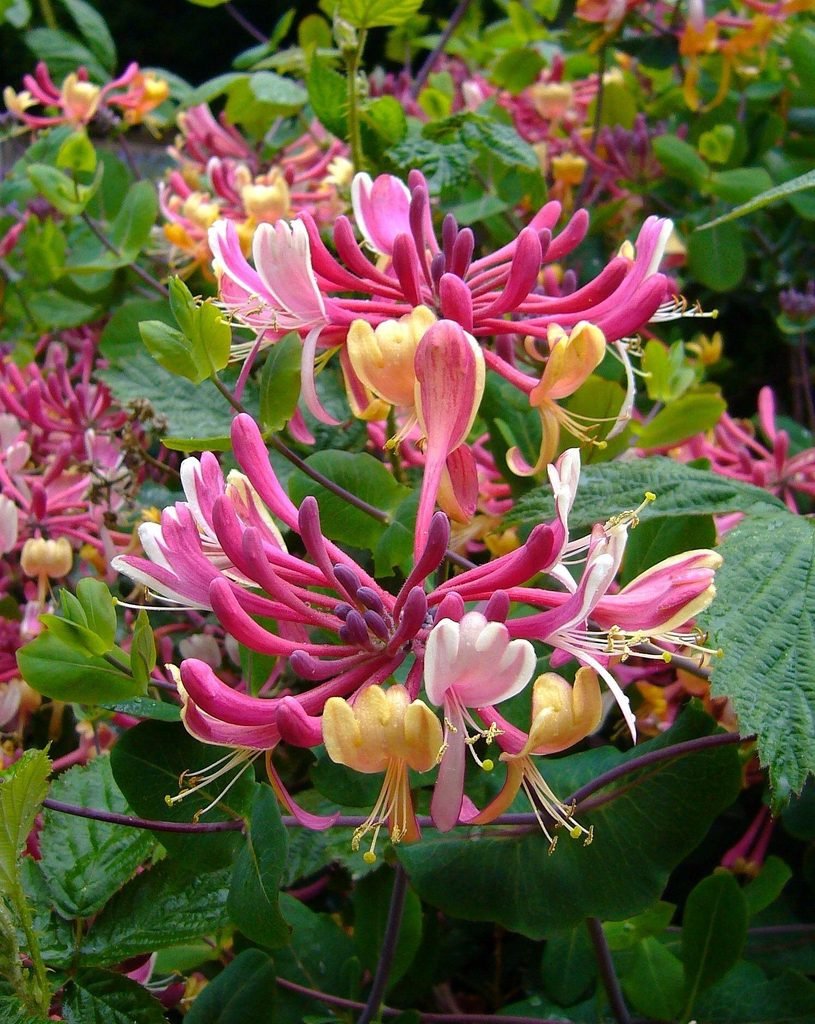
Leaving late blooms intact, preserving patches of bare soil for ground-nesting bees, and planting tubular natives like wild bergamot or coral honeysuckle ensure we aren’t just taking honey from the land—we are sustaining the ecosystem that feeds everyone. This November, we offer our deepest thanks to the original caretakers of this land, and to the quiet, native pollinators working right beside us.
Suggested Next Steps:
- Check your local frost dates—We typically see first frost in mid-to-late November; leave fallen hollow stems standing through late winter as shelter for overwintering solitary native bees.
- If adding new pollinator beds before spring, consider planting native tubular perennials such as Salvia lyrata (lyreleaf sage) or Lonicera sempervirens (coral honeysuckle) while root systems can easily settle in mild winter soil.
♥tootles♥



0 Comments